
The Evolution of THC in Autoflowers: What Five Years of the Autoflower World Cup Show

The highest THC number the Autoflower World Cup has ever published is 26.7%, posted by Fast Buds' Frostbanger Auto in 2025. What stands out is that for the cup's first three editions, there was no lab number to publish at all. THC in autoflowers hasn't moved on a steady upward line. The bigger shift is in how the cup treats potency: it started measuring it, put it on the record, and then decided it shouldn't settle who wins.
Three years without a number
The 2022, 2023, and 2024 editions crowned sativa, indica, CBD, and new-strain winners, and none of those result pages list a single lab THC percentage. Judging ran on the panel's scoring: experts tasted blind samples with the branding removed and rated aroma, effect, and finish by hand. Potency fed into their impression, but no one pulled it out as a number you could quote.
That reflects where the plant was. Autoflowers were still shaking off a reputation for weak buds, and the cup was set up to judge overall quality instead of running a potency contest. To find out how strong a winning auto was, you trusted the panel rather than a certificate.
2025: THC gets its own trophy
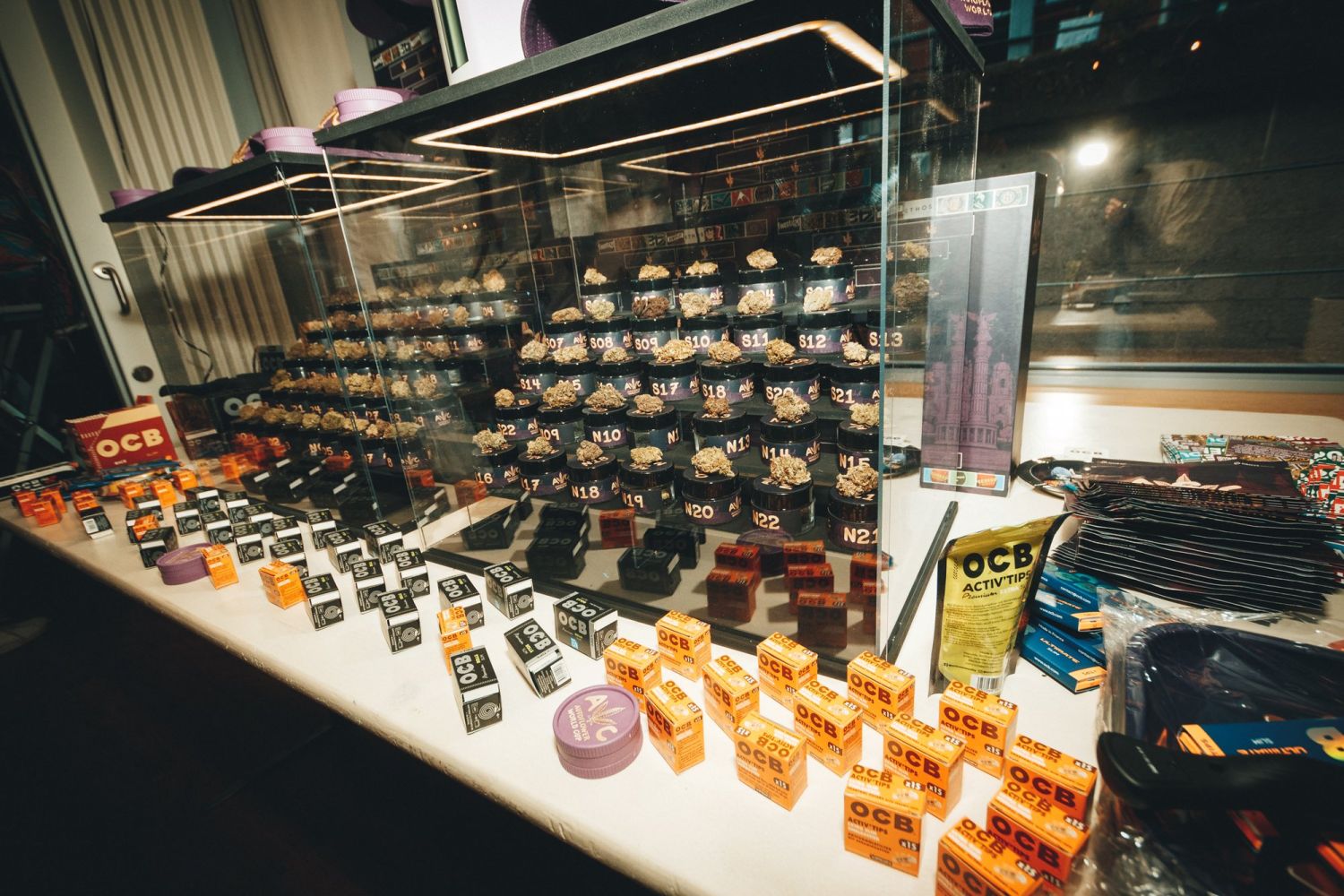 The 2025 edition changed that. For the first time, the cup ran a dedicated category, "Auto with Highest THC Lab Test," and Fast Buds' Frostbanger Auto took it at 26.7%. It's the highest lab figure in the cup's history, and it showed up as soon as the event started measuring potency openly.
By 2025 the top autoflowers were testing in territory that used to belong to photoperiod plants, and the cup responded by giving potency its own category. Frostbanger didn't win Best Sativa or Best Indica that year; those went to other strains. It won on potency alone, which the cup now counted as an award in its own right instead of a tiebreaker inside the scoring.
2026: the number joins the main score
A year later, the cup folded lab results into the main standings, so a strain's measured potency counted alongside the panel's cards when deciding its placing. The highest lab figure of the 2026 Berlin edition was Mephisto Genetics' Guava Fig at 24.5%, the top result in the event's published THC ranking.
This is where the "it keeps rising" story falls apart. The top published number in 2026 was more than two points below the 2025 peak. The plant didn't get weaker; the cup stopped rewarding the single biggest number and started weighing potency alongside other factors. Guava Fig posted the highest lab result of the whole event and still didn't win its flower category, the same way Frostbanger hadn't the year before.
Why the highest number stopped winning
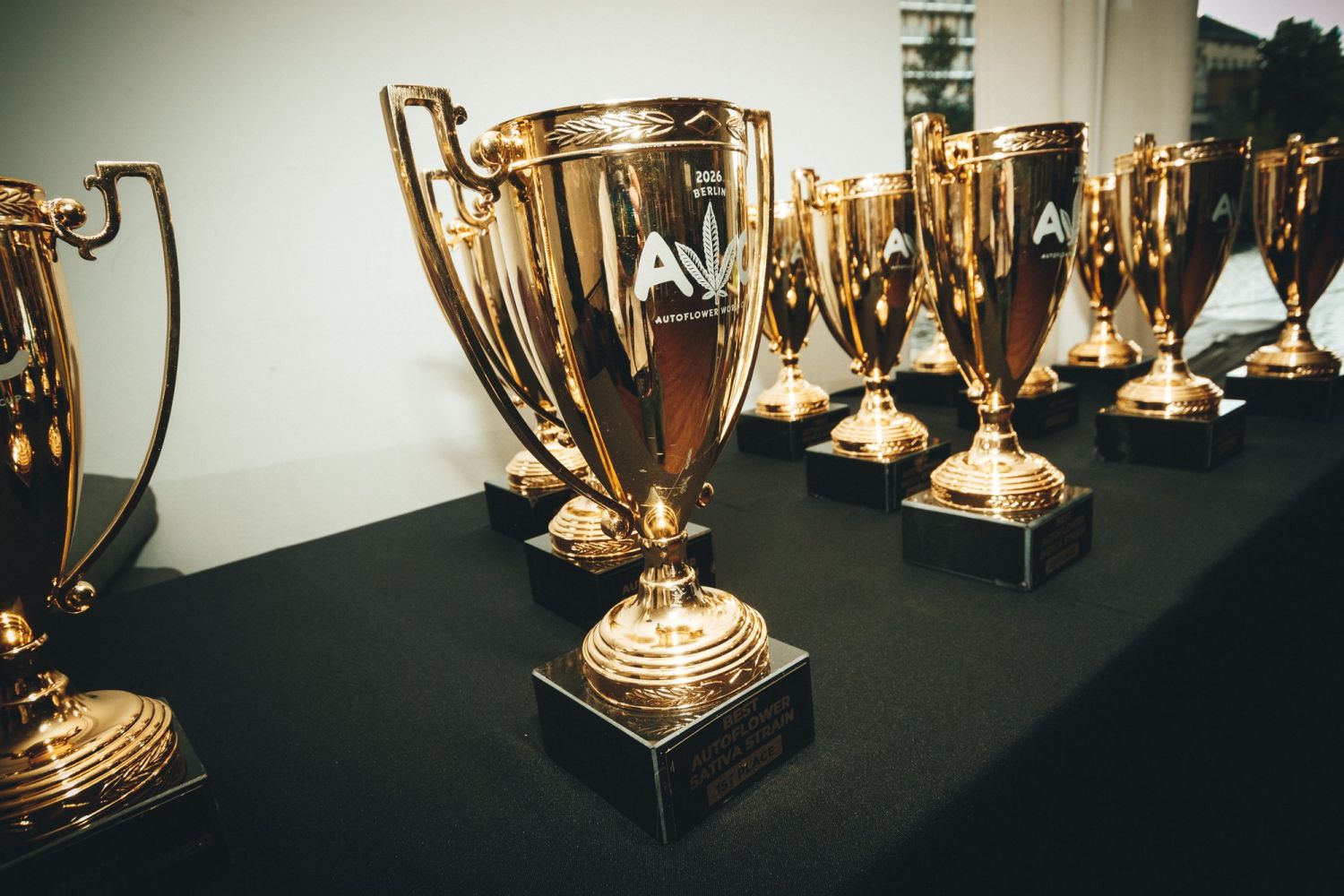 Twice now, in back-to-back editions, the strongest strain on paper has gone home without a category title, which runs against what a lot of growers assume. A blind panel scoring aroma, structure, and effect won't hand the trophy to whichever jar tests highest: a 25% strain with a flat nose loses to a slightly milder one that tastes and smokes better. A high number gets a strain into contention now; it no longer wins on its own.
This is where terpenes get their own score. These are the aromatic compounds, and the panel rates them separately instead of folding them into the THC reading. A winning auto now has to bring both, and the scoring is set up so a big number can't carry a weak strain to the podium.
What a strong autoflower actually tests now
Set the awards aside, and the range is clear: the best autoflowers at the cup land in the low-to-mid 20s for THC, with the documented ceiling so far at 26.7%. That's a real jump from the Lowryder-era plants that struggled into the low teens, and it puts the top autos level with plenty of photoperiod genetics.
One thing to keep straight, since lab reports confuse people: the figure the cup publishes is Total THC, which already accounts for the raw THCA in the flower converting to active THC. That's the number that matters for how strong the finished bud is, and it's why a well-grown auto can read in the mid-20s without exaggeration.
The real trend line
So the five-year picture isn't a staircase of ever-bigger THC figures. It's a change in what the cup measures and rewards: three years of judging potency by palate, a dedicated high-THC award in 2025, then potency blended into the full score in 2026, with the strongest strain losing both times to a better all-round jar. Autoflowers got strong enough that the cup had to start measuring THC, and then good enough that the measurement stopped deciding the winner.
Every THC figure the cup has published
The cup's entire published THC record fits in one short table: two editions, two numbers, with the higher one set in 2025. Two data points aren't a trend line, so what the table really shows is when the cup started measuring, not potency climbing.
| Edition | Highest published lab THC | How potency was handled |
|---|---|---|
| 2022 (Barcelona) | None published | Blind panel scoring only |
| 2023 | None published | Blind panel scoring only |
| 2024 | None published | Blind panel scoring only |
| 2025 | 26.7%, Frostbanger Auto (Fast Buds) | Dedicated Highest THC Lab Test award |
| 2026 (Berlin) | 24.5%, Guava Fig (Mephisto Genetics) | Lab result folded into the main score |
Those are the only two lab figures in the cup's history, and the later one is lower. Any year-on-year THC climb quoted for the Autoflower World Cup is a line drawn through two points.
You can read each edition's lab-tested results on the official Autoflower World Cup site, and a free account lets you follow the winners as new numbers come in.
Comments