
The History of Autoflowers: From Lowryder to 2026's Top Strains
Autoflowers started from one stubborn idea: a cannabis plant that flowers with age instead of light. After a set number of weeks, it begins making buds, with no change to the light schedule. That trait traces back to cannabis rideralis, a scrappy northern subspecies, and it took breeders the better part of a century to breed it into a plant worth growing. The strains winning cups in 2026 are the far end of that work, and they look almost nothing like where the story began.
The ruderalis problem
Ruderalis grew wild across Russia and parts of central and eastern Europe, surviving short summers and harsh winters at high latitudes. A plant that waited for the autumn light to shift would have frozen before it finished, so ruderalis evolved to flower on an internal clock instead.
That clock is why autoflowers exist at all.
Everything else about the plant was the problem. Wild ruderalis is small, low-yielding, and barely psychoactive, often testing in the low single digits for THC. For anyone chasing potency or harvest weight, it was almost useless, and for decades it stayed a curiosity.
Early attempts that almost worked
Breeders saw the appeal early. The hope was simple: put the ruderalis autoflowering trait into a potent photoperiod strain and keep the potency while gaining the automatic finish. Sensi Seeds is usually credited with the first commercial attempt, releasing Ruderalis Indica and Ruderalis Skunk. The idea was right, but the execution was shaky.
Those early crosses were never stabilized, which in plain terms means the autoflowering gene did not pass down clearly, so a single pack might give you a few autos and a handful of plants that behaved like any photoperiod strain, waiting on a light switch the grower never flipped. A trait that unreliable was impossible to sell, and the idea stalled for years.
Lowryder and the Joint Doctor
 The breakthrough came in the early 2000s from a breeder known as the Joint Doctor, who released a strain called Lowryder. The commonly reported lineage is a Mexican ruderalis crossed with Northern Lights and William’s Wonder, and the goal was to lock the autoflowering trait down so it showed up in every seed. Lowryder was not much to smoke. Early phenotypes were short, finished in roughly nine or ten weeks from seed, and topped out around 12% to 14% THC on a good day, well short of modern autos.
A lot of growers gave it a go, but they weren’t impressed, so most of them drifted back to photoperiod. But the smoke wasn’t the point. It bred true, and that was the whole thing. Plant the seeds; they all flowered on their own. Nobody had pulled that off until then, and it’s the reason modern autos exist. There’s Lowryder in the background of all of them.
Why autoflowers were dismissed for two decades
Being first did not make autoflowers respected. Through the late 2000s and into the 2010s, they carried a reputation as the easy option, the thing you grew if you could not be bothered to manage a light cycle, or if you were squeezing a quick outdoor harvest between seasons. Serious growers associated them with weak buds, small plants, and thin yields, and early on they had a point. What changed it was patient, unglamorous breeding.
Each generation, breeders crossed autos back into stronger photoperiod lines and selected the offspring that kept the automatic trait while picking up bigger structure and better terpene profiles. After many generations across dozens of breeding programs, the ruderalis weaknesses had mostly bred out, while the one gene worth keeping stayed.
By the mid-2010s, autoflowers were at a turning point. Potency reached the high teens and low 20s, and harvests got bigger. The old assumptions were dead; the reputation lingered anyway.
Where autoflowers stand in 2026
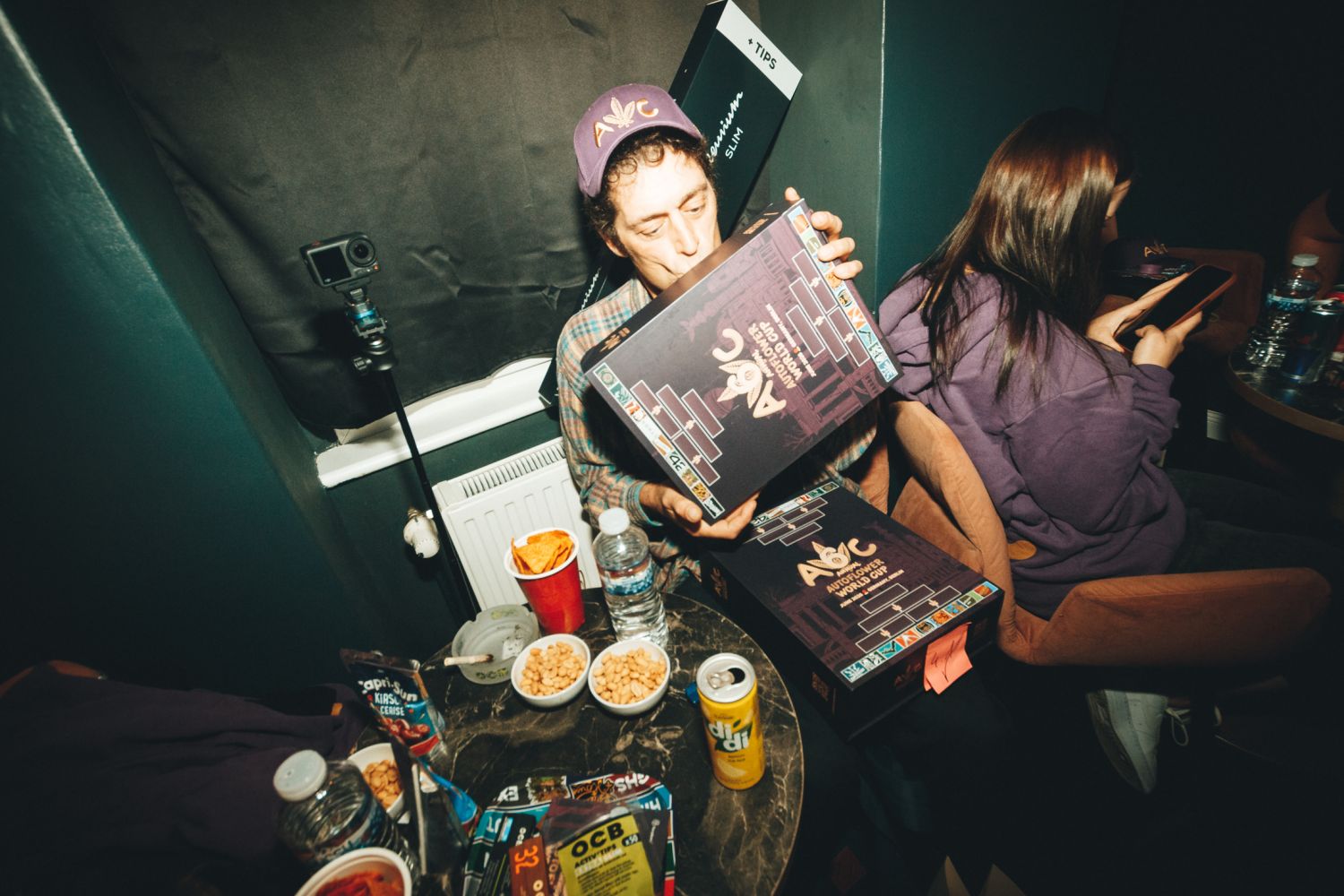
 The clearest way to see how far the plant has come is to look at how it performs under judgment. At the autoflower World Cup, entries are scored blind: branding is stripped off, and each sample gets a code, so a strain cannot win on its name. A seven-judge panel scores every jar, and lab number folds into the final result alongside their marks.
Under those conditions, the top autos now go toe to toe with photoperiod genetics. The winning sativa-dominant entry, Royal Queen Seeds’ Trainwreck Auto, cleared 162 points and built a comfortable lead, while the places just behind it came down to a single point. A grower from the Lowryder era would not have believed that potency, yield, and flavor came off a ruderalis cross.
The progress shows up clearest in the fast, uplifting side of the catalog, where the top sativa autos of the year post strong judge scores from plants that still finish on their own clock.
The indica side has made the same leap toward dense, heavy-yielding buds. Indica or sativa, there is now an auto that competes at the top, and the distance from Lowryder is obvious.
Autoflowers in 2026: key takeaways
Autoflowers began as a survival adaptation in a wild weed, got their first real stabilization from Lowryder in the early 2000s, spent a long stretch dismissed as the lazy grower’s choice, then quietly caught up through twenty-odd years of selective breeding. The “autos are weaker” line was true once, and the 2026 results are what finally put it to rest.


Comments