
Autoflower World Cup 2026 in Berlin: Behind-the-Scenes Recap

Autoflower World Cup 2026 in Berlin: Behind-the-Scenes Recap
The Autoflower World Cup 2026 landed in Berlin this year, and the city suited it. Berlin has always had a soft spot for growers, for the people who build things in basements and spare rooms and stay up too late checking trichomes under a loupe.
Walking into the venue, you could feel the competition had found the right home. The space filled early and stayed full, and the hum of a dozen side conversations never really dropped all weekend.
Why Berlin
Berlin brought a crowd that already knew its genetics, so conversations skipped the small talk and went straight to run times, terpene profiles, and how a plant held up through a cold snap. A lot of the entries came from German growers, which gave the room a home-team hum you don’t always get at these things. The questions were sharper for it. Instead of “what is this,” people asked how it was fed, when it was flipped, and whether the pheno held its structure under stress.
Breeders flew in from across Europe and beyond. Some have been running autoflowers since the early days, when the category still had to prove itself. Others were newer, with fresh phenotypes no one had seen before. Put those two groups in one room, and you get the best kind of friction: old habits getting questioned, new ideas getting a reality check from people who have failed enough times to know better.
At the center of it all was a name the old-timers respected enough to go quiet for: Joint Doctor. The breeder who created Lowryder and effectively invented the autoflower as we know it sat on this year’s panel as the special VIP judge, scoring under the card marked Doctor Choice. His work created the whole category, and most people in the room have grown something descended from those first Lowryder crosses, whether they realized it or not.
Inside the judging
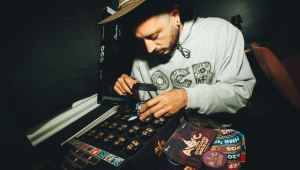
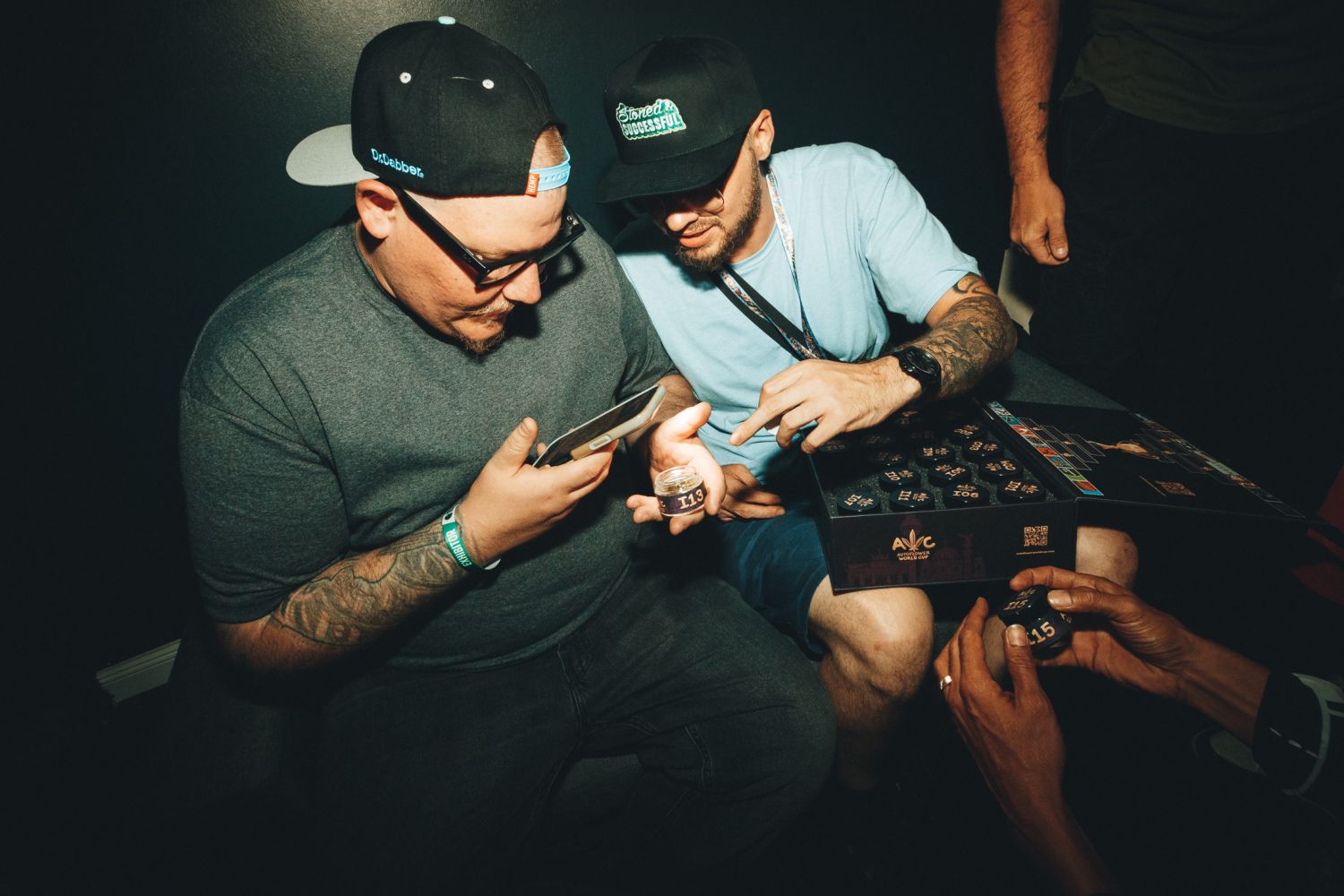 Most people see the results and assume a trophy appears by magic. The reality is a bit more complicated. Scoring runs on an expert panel, seven judges deep this year. Each judge fills out a card per entry, and every card breaks into three criteria (look, smell, and smoke), each scored from zero to ten. That’s 30 points from a single judge, and 210 once you stack all seven, with no single score out of ten and no quick vibe check behind it.
The judges don’t score alike, and the spread is real. Doctor Choice is the soft touch, handing out around 22 out of 30 on average, which is a nice irony given that card belonged to the man who started the whole category.
Timm Terpentino is the hanging judge, sitting closer to 8. The same strain could pull a confident low 20s from one and barely scrape double digits from the other, sometimes at the same table, within a minute of each other. That gap is why the board runs to 210. Good looks can win over one judge, but they won’t carry a plant past seven sets of eyes and noses. A weak smoke gives itself away fast once seven people are drawing on it in turn.
Lab testing feeds in as well, so the final call blends the panel’s score with the number off the bench. It’s also why the judges’ scores differ: a jar that reads beautifully on looks can still come back average on paper, and the bench doesn’t care how good the bag appeal was.
Behind the grow
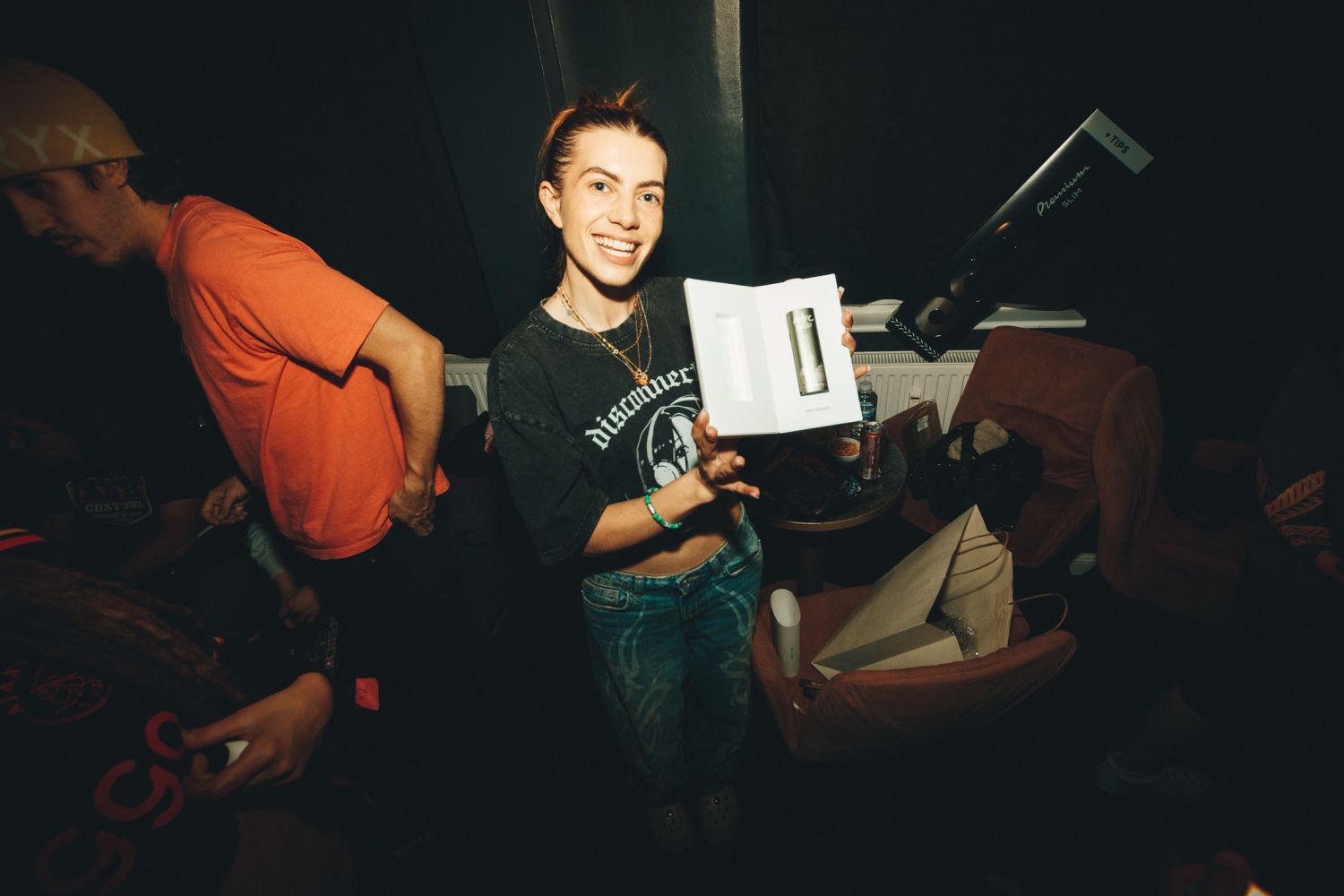 A competition like this only works because of the growing that happens long before anyone opens a jar in Berlin. Each entry carries months of attention: feeding schedules tweaked and tweaked again, plants babied through heat and humidity swings, the kind of patience that doesn’t show up in a photo. Backstage, that history was everywhere in the conversation.
Growers compared notes on how certain genetics finished, which ones barely needed a thing. Nobody was apologizing for growing autos anymore; the plants on the tables spoke for themselves. There’s also a side the public never sees: every sample is stripped of its branding and given a code, so each judge is scoring a sealed, anonymous jar rather than a name.
The blind coding is also what makes the upsets possible. The result that got the room talking was Best New Autoflower, where a German newcomer edged one of the scene’s established seed banks by a single point. No logo on the jar, just the flower, which is the whole idea. Those wins keep a scene honest, and the venue clearly loved it. A single point is nothing and everything at once, close enough to sting for the bank that lost it and sweet enough to make the winner’s year.
The best breeder vote runs in its own track
One thing worth clearing up, because it can confuse people. The expert panel and the Best Breeder title are separate contests. The panel is the seven judges and the 210-point system above, decided on blind jars. Best Breeder isn’t about a single jar at all.
It rides on a breeder’s whole run at the cup, with a public vote on the AWC site feeding in alongside the expert panel. That’s how a seed bank can take the breeder side while a rival walks off with more of the judges’ classes. If you ever wonder why the online buzz doesn’t quite match the scored results, that’s the reason: the two are counted separately and measure different things. One rewards the jar in front of the panel; the other rewards a name people trust enough to vote for.
What the week left behind
Competitions can get tense. Growers who technically competed against each other spent most of the week trading fixes, and by the second day the venue felt less like a contest and more like a gathering that happened to keep score. That openness is part of why autoflowers keep improving so fast; nobody is guarding secrets the way they used to.
The full 2026 results are worth a scroll, category by category. What sits with you is around the edges: Joint Doctor on the panel, a scoring system that can’t be gamed by good looks, a newcomer edging one of the giants by a point, and a room full of people who clearly love this plant and the work it took. You leave with fewer notes than you expected and more phone numbers.
Berlin hosted it well, and the autoflower category showed up strong and confident. The rest is just numbers.
Comments