
How Autoflower World Cup Judging Actually Works: Why Scores Differ Between Judges

Hand the same sealed jar to seven experienced heads, and you’ll get back a stack of scorecards that don’t line up. Sometimes they’re miles apart.
That’s normal. It happens at every Autoflower World Cup, and nobody on the panel is getting it wrong when it does. That kind of spread is the natural result of handing flower to a room full of palates.
Nobody gets named here. But we’re not pulling anyone’s average apart either.
How Autoflower World Cup Judging Works, Start to Finish
Four classes get judged: Indica Dominant, Sativa Dominant, Best New Autoflower, and CBD.
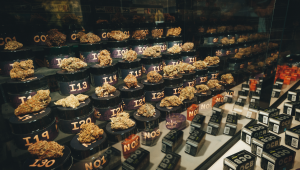
Every entry is stripped of its branding and given a code, the S01 or I13 or C02 you spot later on the results page, and that code is all a judge ever sees. Doesn’t matter whose flower it is or how big the name behind it is. On the table it’s just a number.
From there each of the seven judges works through every jar, marking three things: how it looks, how it smells and how it smokes, each one scored 0 to 10. That puts a single judge’s card at 30 max. The figure you see on the results page is all seven cards added together, so a top entry can climb toward 210.
 The scorecards are only half of the story. Every jar also goes to the lab, tested for THC and other cannabinoids, and those readings feed straight into the result. The win is the judges’ scoring and the lab data working together, not one standing in for the other.
There’s one exception. Best Breeder isn’t decided on jars at all. It rides on a breeder’s whole run at the cup, with a public vote on the AWC site feeding in beside the expert panel. That’s how a seed bank can take the breeder side while a rival walks off with more of the judged classes.
The Scorecard: What Look, Smell and Smoke Measure
Three criteria, 0 to 10 each.
- Look (Appearance): trichome density, bud structure, grooming and trim.
- Smell (Aroma): depth, strength and distinctiveness of the dry aroma.
- Smoke (Taste): flavour, smoothness and the overall draw.
Smell is what hits you the second the lid comes off, before anything’s lit. Smoke is the draw itself. Plenty of flowers nail one of the three and then fall flat on the other two.
Why Scores Differ Between Judges
 Every judge gets the same blind jars and marks on the same scale. But the cards still land far apart, and the reason is simple. It’s a human nose and a human palate behind every score, and no two taste a jar quite the same.
1. Smell is the least reliable thing on the card
Aroma is the hardest of the three to pin down. People vary enormously in how sensitive they are to individual terpenes and thiols, so a compound that reads as loud gas to one judge is nearly silent to the next. Two different noses can pull different intensities off the exact same jar.
And smell is a sense that tires. Work through jar after jar and olfactory fatigue sets in, so the same aroma scores one way at jar 3 and another at jar 30. A jar judged early catches a fresher nose than one judged late, and everyone fatigues at a different point, one more reason a panel beats a single set of cards
2. A veteran’s 5 isn’t a newcomer’s 5
A judge who’s smoked thousands of cultivars sets their scale somewhere different from someone newer to the table.
Years of jars become the reference point, so the same flower that blows away a fresher palate might only pull a solid mark from a veteran who’s had better.
That’s why a harsh marker and a generous one can still rank the same entries in roughly the same order. The raw numbers don’t match, but the top picks usually line up.
3. Smoke rides on personal tolerance
Smoke is the toughest criterion to keep consistent, because personal tolerance and expectation come along for the ride.
What feels smooth and potent to one judge feels thin to another. That gap is the whole reason the cup pools a panel of cards, instead of leaning on one.
How to Read a 2026 Cup Result
Once you know the cards can scatter, the results hub reads differently. Treat a podium as consensus, not one person’s verdict. A winning entry pulled scores from a whole room full of palates and still cleared the lab. And don’t stop at the total.
The criterion-level scores tell you what kind of flower you’re actually looking at. A high smell and smoke score under a modest look means a jar that smokes better than it photographs, which is the kind of flower plenty of growers are after.
Autoflower World Cup Judging: Common Questions
Are cannabis cups fixed or pay to win? Not in the AWC’s judged classes. Entries are coded and stripped of branding before anyone scores them, so a judge can’t reward a name, and the final result blends those marks with independent lab work.
Do the judges know which strain they’re scoring? No. Every jar carries a code (S01, I13, C02, and so on) and nothing else. They’re scoring what’s in the jar, not what’s on the label.
Why can the same strain win one cup and miss the podium at another? Different competitions run their own panels, weigh the criteria their own way and use different labs. A strain that clicks with one room of palates can land mid-table with another at the same quality.
Why isn’t Best Breeder judged like the other classes? Because a breeder isn’t a single jar. That award is about a body of work and the growers who stand behind it, so it runs on a public vote on the AWC site alongside the expert panel, not on the blind jar scores.
Watch It or Be in It
Every judge’s card is up on the AWC 2026 results hub, right next to the top autoflowers of the year. Tap any strain, and you can see how each judge marked it.
But you don’t just have to watch from the outside. If you grow, next year those cards could be scoring your jar. If you don’t, you still get a say in the Best Breeder vote. Either way, it all runs through the AWC community on Discord.


Comments