
How to Grow Autoflowering Cannabis: A Beginner's Guide

For many people, an autoflower is the first plant that actually makes it to harvest, and that is not luck. You can do almost everything wrong on your first run and still end up with a jar of flower. That forgiveness is the whole appeal. If you are standing at the start of your first grow and feeling a little overwhelmed, this guide walks you through what actually matters and what you can safely ignore for now.
Why autoflowers are the easy way in
A regular photoperiod plant only starts flowering when you cut its daily light down to twelve hours. That means timing, light-proofing, and a whole mental model of two separate growth stages. Autoflowers skip all of it. They flower based on age rather than light, usually 2 to 4 weeks after the seed pops, and finish on their own schedule no matter what the lights are doing.
That single trait removes most of the decisions beginners tend to get wrong. You cannot accidentally keep the plant in the wrong stage, and you cannot ruin a harvest by leaking light into the tent during a dark period. The plant just runs its clock from seed to harvest, and your job is mostly to stay out of its way.
The trade-off is time and size. Autoflowers are smaller, and the whole cycle is short, so you get less margin to fix a mistake. A photoperiod grower can hold a plant in veg for weeks to let it recover from a stumble. With an auto, the clock keeps ticking. This is a fair deal for a first grow, because the mistakes you can make are small ones.
Start with the right genetics
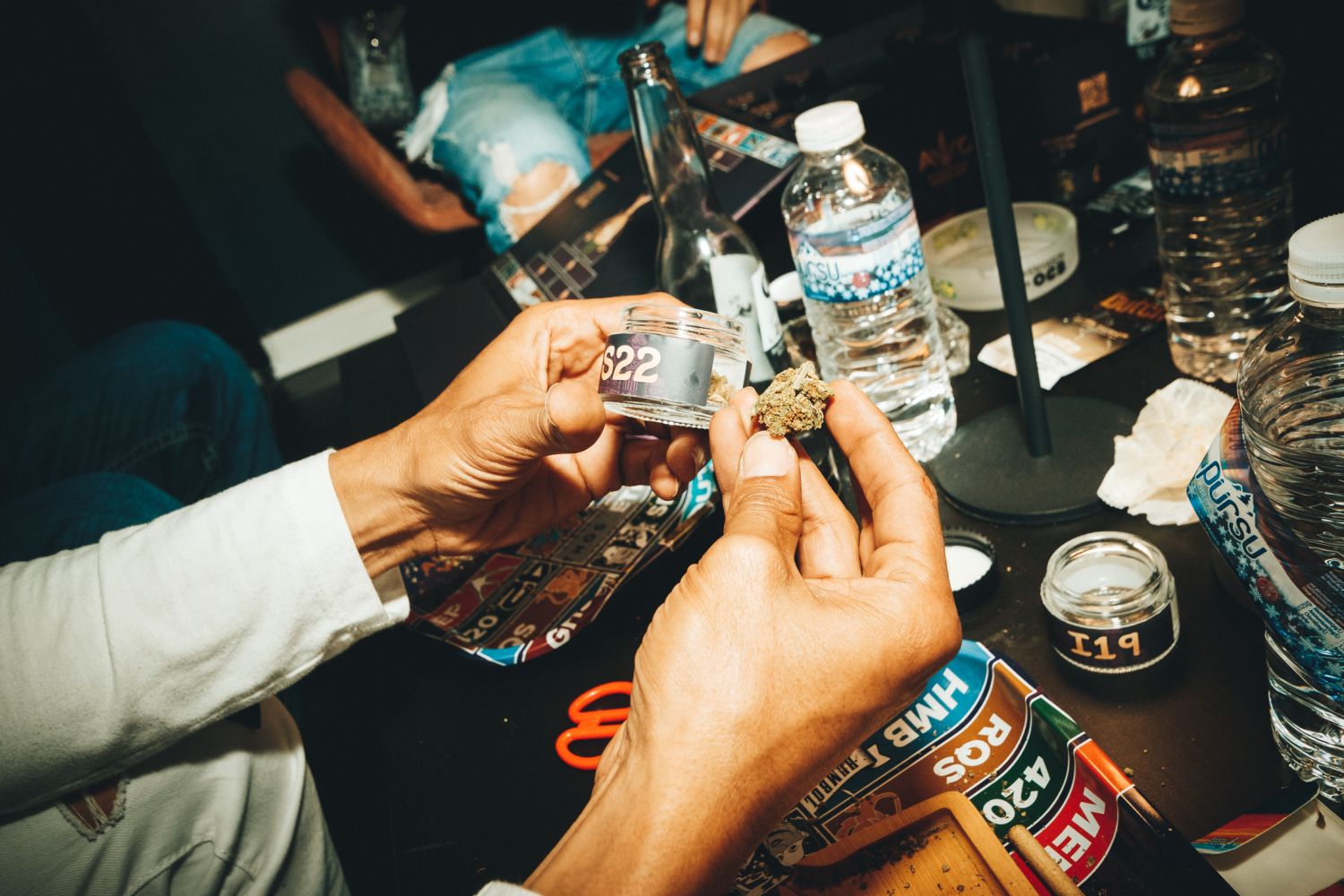 The best thing you can do for an easy first run happens before you plant anything. Pick a stable, well-bred strain from a breeder that knows what it is doing. Cheap, unstable seeds give you plants that grow unevenly, finish at wildly different times, and react badly to normal conditions. Good genetics do the opposite, and they make every other step more predictable.
You don't have to guess which strains are solid. The results from the big competitions are a shortcut. Looking at the category-winning autoflowers of 2026 tells you which plants held up under blind expert judging, which is a far better signal than a flashy product photo. Beginners are often drawn to the highest advertised THC number, but a strain that grows evenly and resists mold will teach you more and frustrate you less.
Pot and soil: start in the final container
Here is a rule that trips up almost every beginner who came from growing other plants. Do not transplant your autoflower: start the seed in the pot it will finish in. Autos have a sensitive root system and a short life, so the stall they take after a transplant can cost you a chunk of your final yield. There is simply no time to recover it.
For most home setups, a 3 to 5 gallon fabric pot is about right. Fabric pots breathe, which keeps the roots healthy and makes it harder to overwater. Fill it with a light, airy, well-draining mix. A lot of growers reach for a pre-amended "living soil" style potting mix because it carries enough gentle nutrition to feed a small auto through most of its life with very little input from you. The mistake to avoid is heavy, dense soil that holds water like a sponge, which is the fastest way to stunt a young plant.
Light, water, and feeding
For lighting, an 18/6 schedule is the reliable starting point: eighteen hours on, six hours off. Autos will grow under almost any long day, and some people run them harder, but 18/6 gives them a daily rest without complicating your setup. If you are indoors, an LED panel sized for your space is the modern default and runs cooler than older lights.
Watering is where beginners cause the most damage, almost always by giving too much. Wait until the top inch of soil is dry, then water until a little runs out the bottom, then leave it alone again. Lifting the pot tells you more than any schedule: a light pot is thirsty, a heavy pot is fine. When in doubt, wait a day.
Feeding follows the same logic of restraint. Autoflowers are small and want far less fertilizer than photoperiod strains, so if you are using nutrients, start at half the dose on the bottle and watch how the plant responds. Healthy green leaves mean you are feeding enough. The urge to help a plant along with extra food and extra water is the single most common way new growers hurt their autos. Kindness, in this case, means doing less.
The timeline and the finish
 From seed to harvest, most autoflowers run about eight to ten weeks, though some stretch a little longer. You will see a short vegetative phase, then flowering kicks in on its own, and the plant puts its energy into buds for the back half of its life.
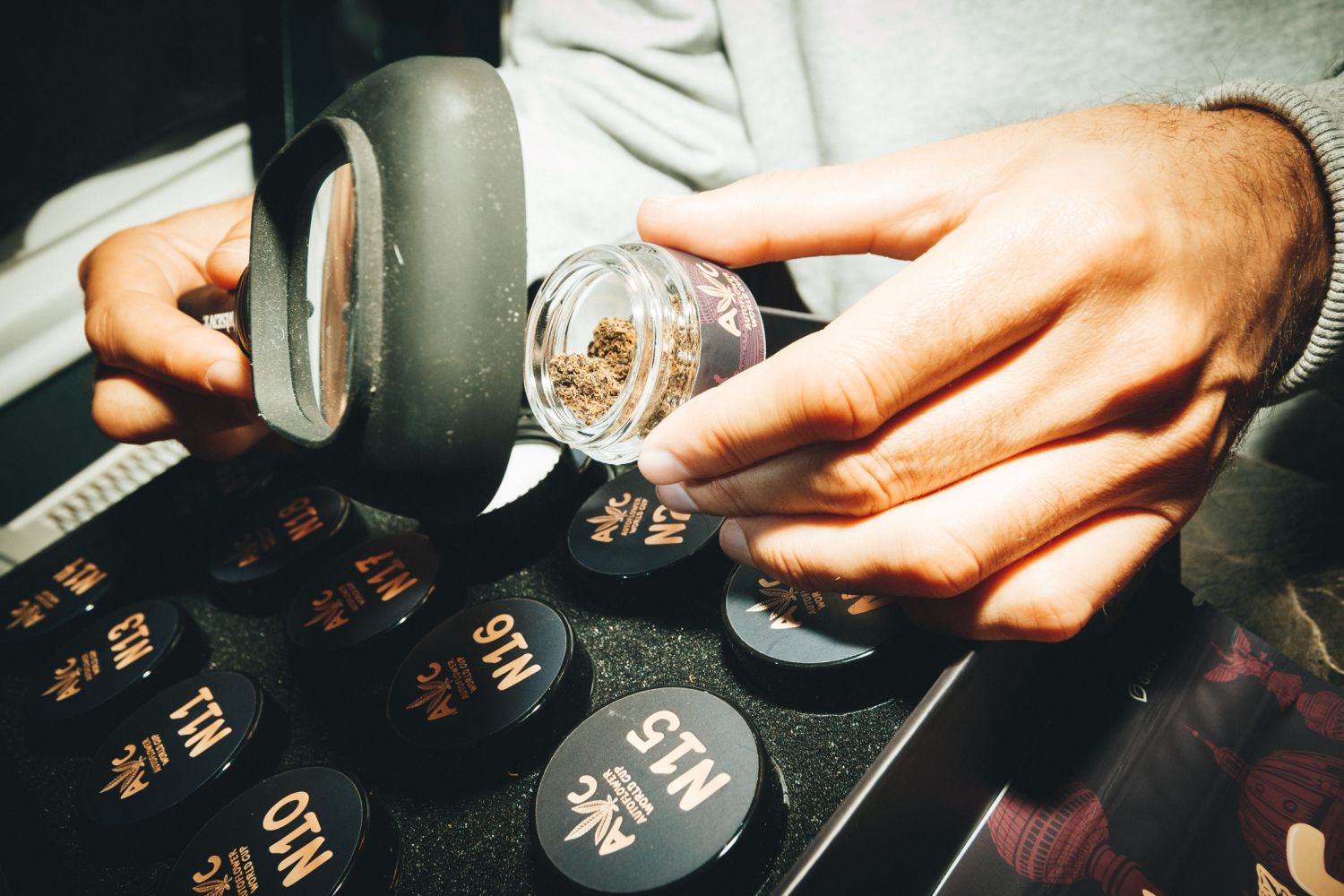
Knowing when to harvest comes down to the trichomes, the tiny resin glands on the flowers. Early on, they look clear. As the plant ripens, they turn milky white, and later they go amber. A cheap jeweler's loupe or a phone magnifier lets you check. Most growers cut when the trichomes are mostly milky with a few amber, which is the window for peak potency. After that come drying and curing, and rushing those steps is a classic way to waste months of patient work.
A few words on the community
At some point you will hit a question this guide does not answer. That's normal, and it is where other growers become the best resource you have. The autoflower scene is unusually generous with knowledge, and reading how a world-class event comes together, like the 2026 Autoflower World Cup in Berlin, shows you how much of this hobby runs on growers sharing what worked.
Start simple. Good seed, right-sized pot, airy soil, steady light, and a light hand on the water can. Do that much and your first autoflower will likely reward you anyway, growing despite you rather than because of you.
Frequently asked questions
How long do autoflowers take to grow?
Most run about 8 to 10 weeks from seed to harvest, though some stretch a little longer.
Do you need to transplant autoflowers?
No. Start the seed in the pot it will finish in, because the stall from transplanting can cost a sensitive, short-lived auto a chunk of its final yield.
What light schedule is best for autoflowers?
18/6, meaning 18 hours on and 6 hours off. Autos flower on age rather than light, so they do not need a light change to start budding.
What size pot should you use?
A 3 to 5 gallon fabric pot suits most home setups. Fabric breathes, which protects the roots and makes overwatering harder.
How much should you feed an autoflower?
Start at half the dose on the bottle and watch the plant. Autos want far less fertilizer than photoperiod strains.
When do you harvest?
Check the trichomes with a loupe or phone magnifier. Most growers cut when they are mostly milky with a few amber, the window for peak potency.



Comments